The Wayside
The Price of Winning
Sofía Gómez Villafañe is laser-focused, relentlessly competitive, and fully committed to herself and the team by her side.

Sofía Gómez Villafañe is a force on the race course. One few have managed to best. She won't apologize for winning, and she's just as unwilling to quietly accept anyone else's version of who she is.
Words by Betsy Welch

Sofia Gomez Villafañe has spent the last several seasons doing exactly what she is supposed to do: winning bike races.
It has made her one of the most dominant riders in American off-road racing. It has also made everything short of a win feel like a failure.
"I feel like it’s either I win or I fail," she says. "I don’t get the freedom to finish second or third or fourth or fifth and have it be successful — it’s ‘oh, you didn’t win, you messed up today.’”
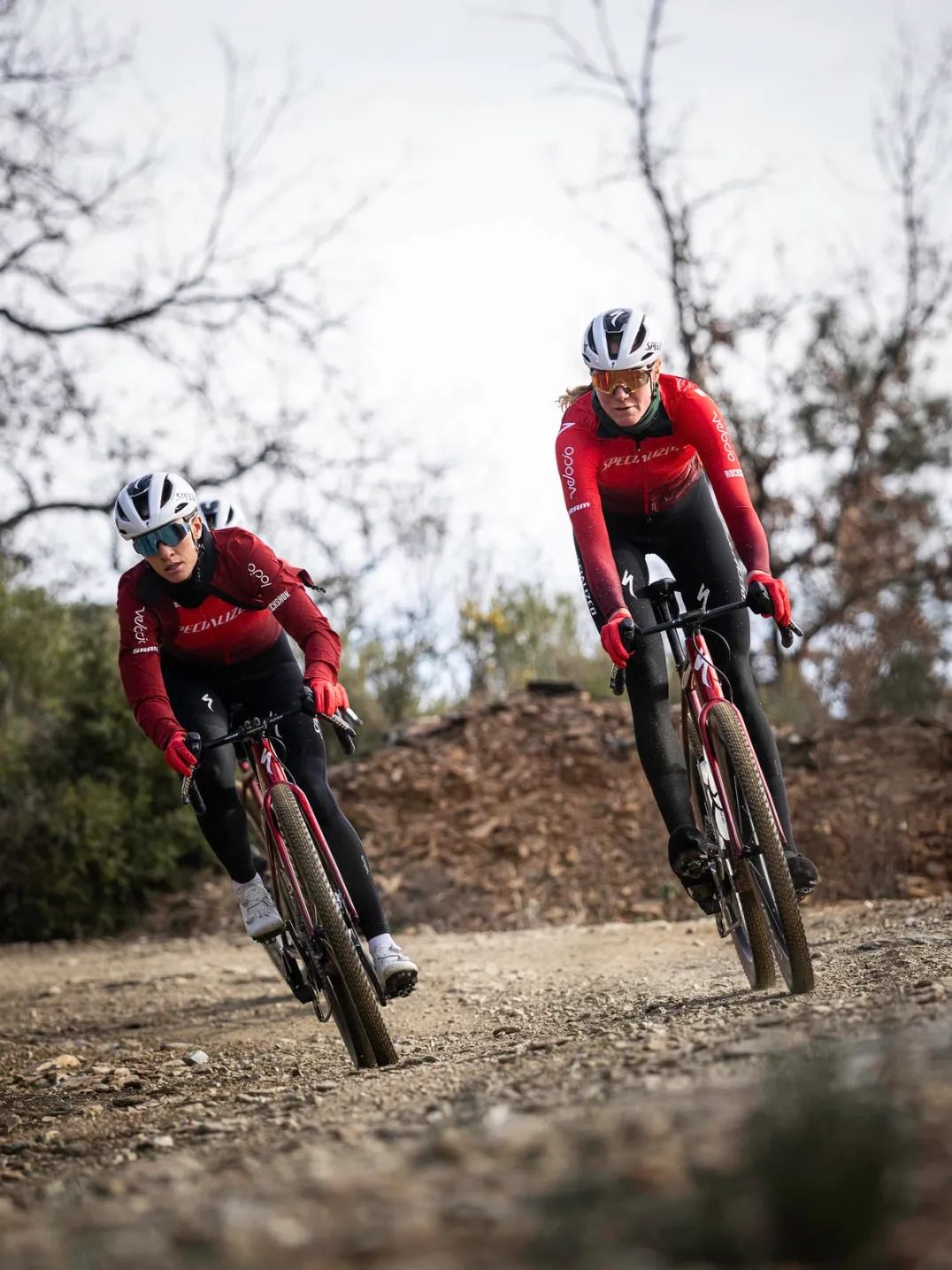
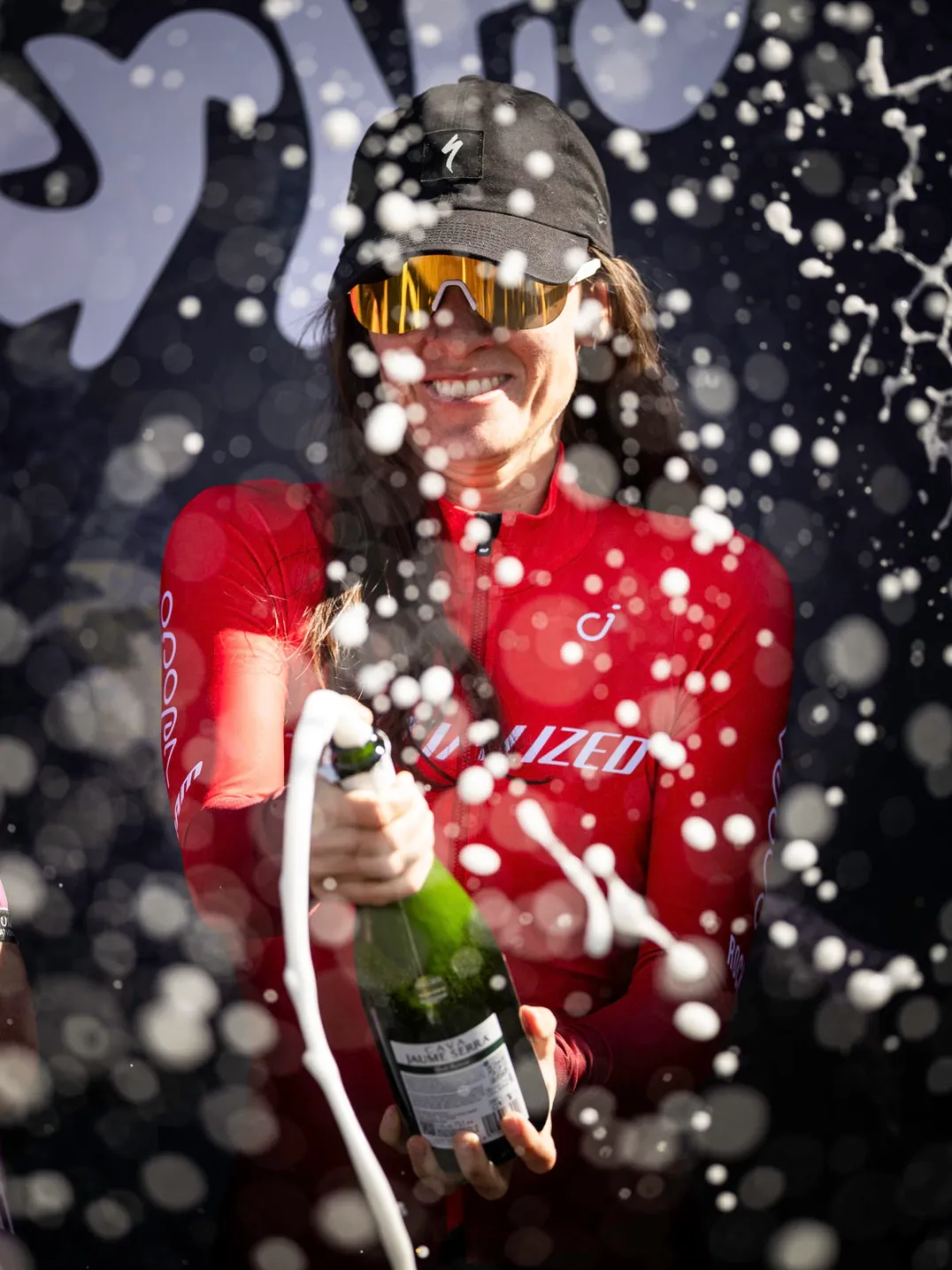
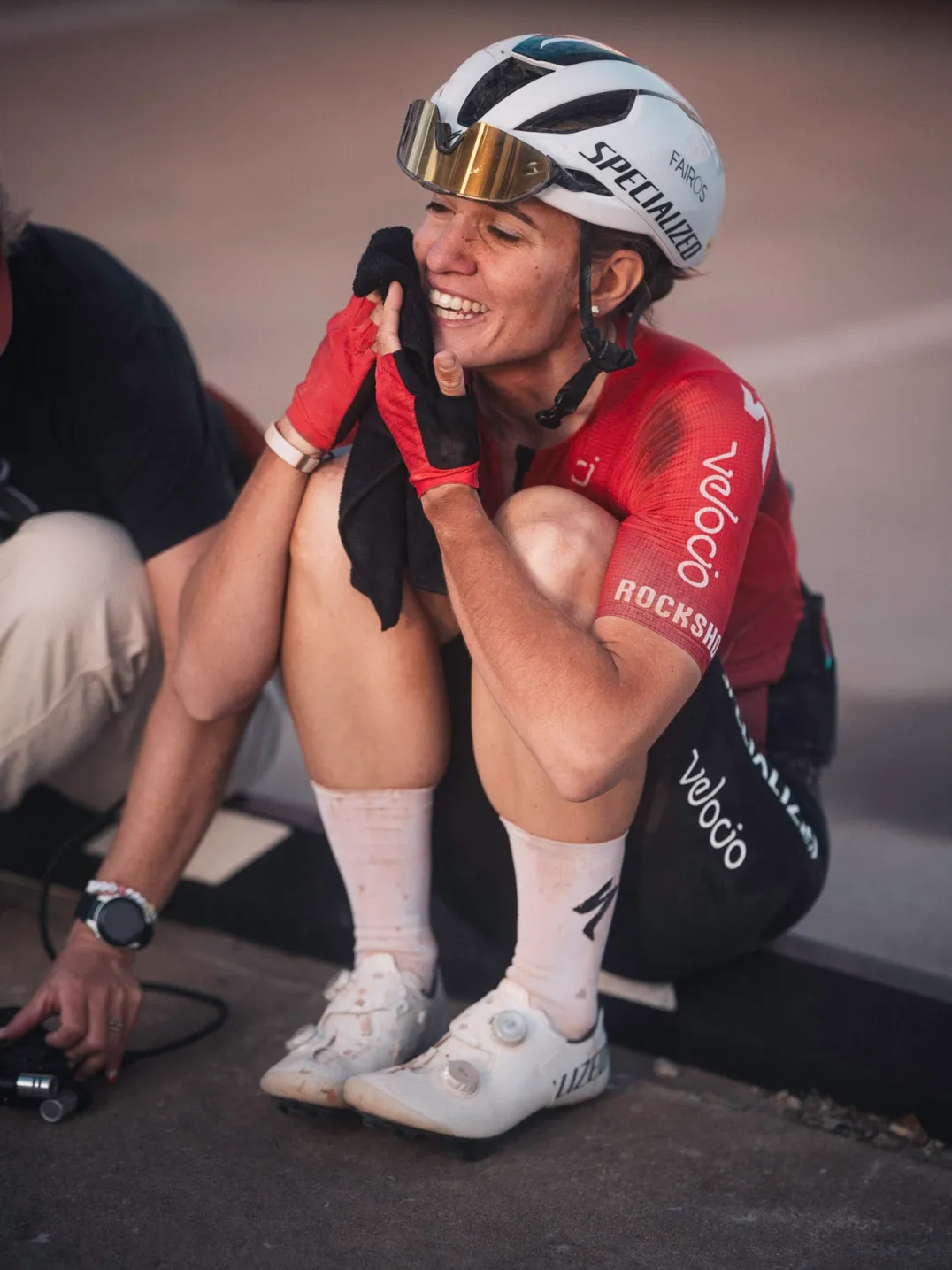
"Gomez Villafañe hasn’t just been winning — she’s been doing it over and over again, across the biggest races on the gravel calendar."


That expectation doesn’t come out of nowhere. Gomez Villafañe hasn’t just been winning — she’s been doing it over and over again, across the biggest races on the gravel calendar. Over time, the margins have tightened, and there’s less space between a good day and a disappointing one.
But what complicates that dynamic, she says, isn’t performance. It’s perception.
“I always enjoy the competition and the challenge that comes with racing,” she says. “But it’s more like the public scrutiny that’s the negative side of racing. Not being given the freedom to have a bad day? People’s standards of me are really high and it’s hard to keep meeting those expectations.”
She pauses.
“It’s the public perception that hurts.”
"I’m paid to show up and kick your ass, so that’s what I’m gonna do."
That’s the trade-off. The winning is clear. So is the way she does it. The same traits that make Gomez Villafañe so effective — the clarity, the directness, the refusal to soften — are the ones that get flattened, misread, turned into something else entirely. Over time, that mistranslation has changed how winning feels, even if it hasn’t made her any less likely to do it.
“I still get hyped. I still get really excited,” she says. “But I’m not just winning for myself anymore — I’m winning for my team. I very much see this as a job, which I think sometimes makes me look a little less human and more like a robot.”
“I know I have this aura around me. But that’s what I’m there to do. I’m paid to show up and kick your ass, so that’s what I’m gonna do.”
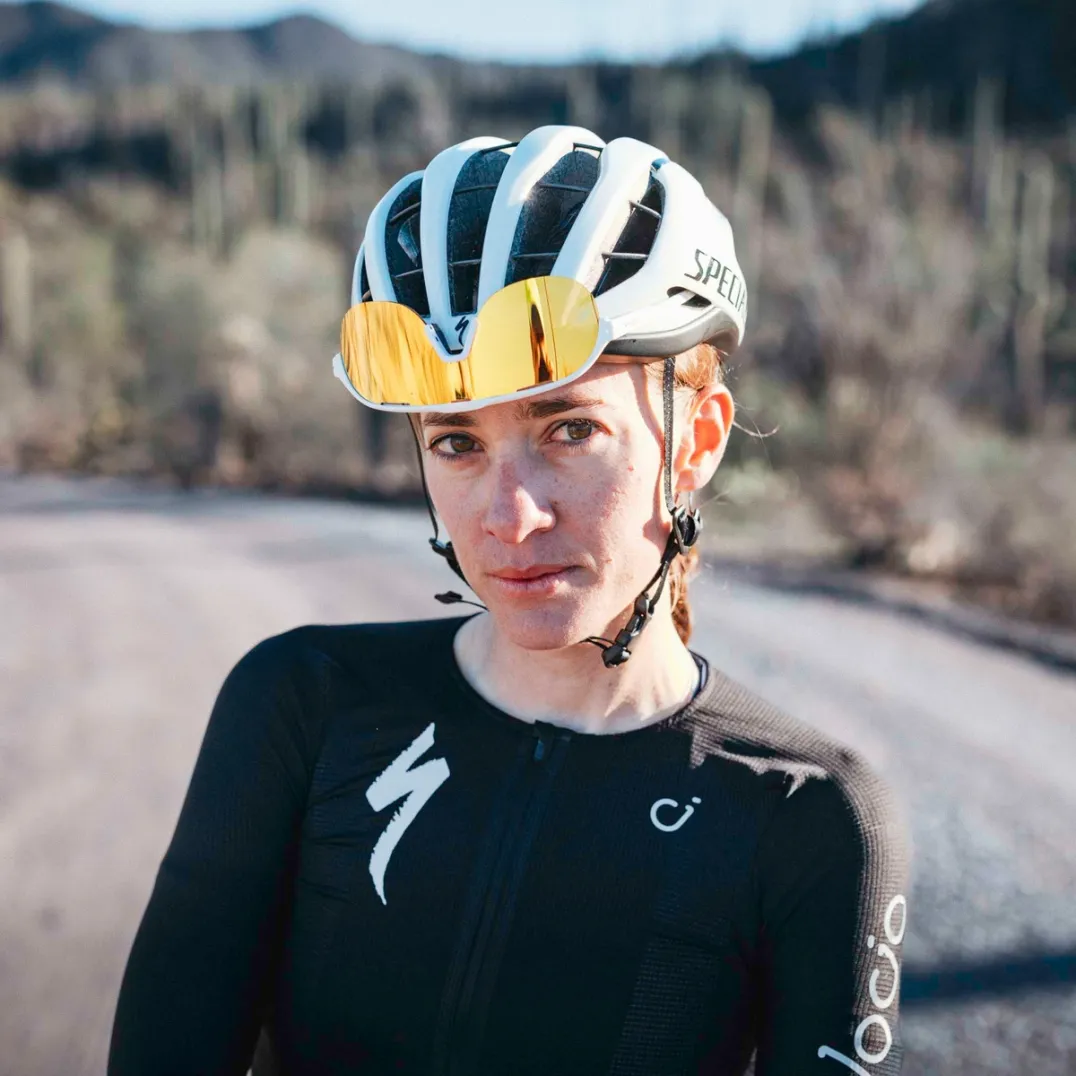
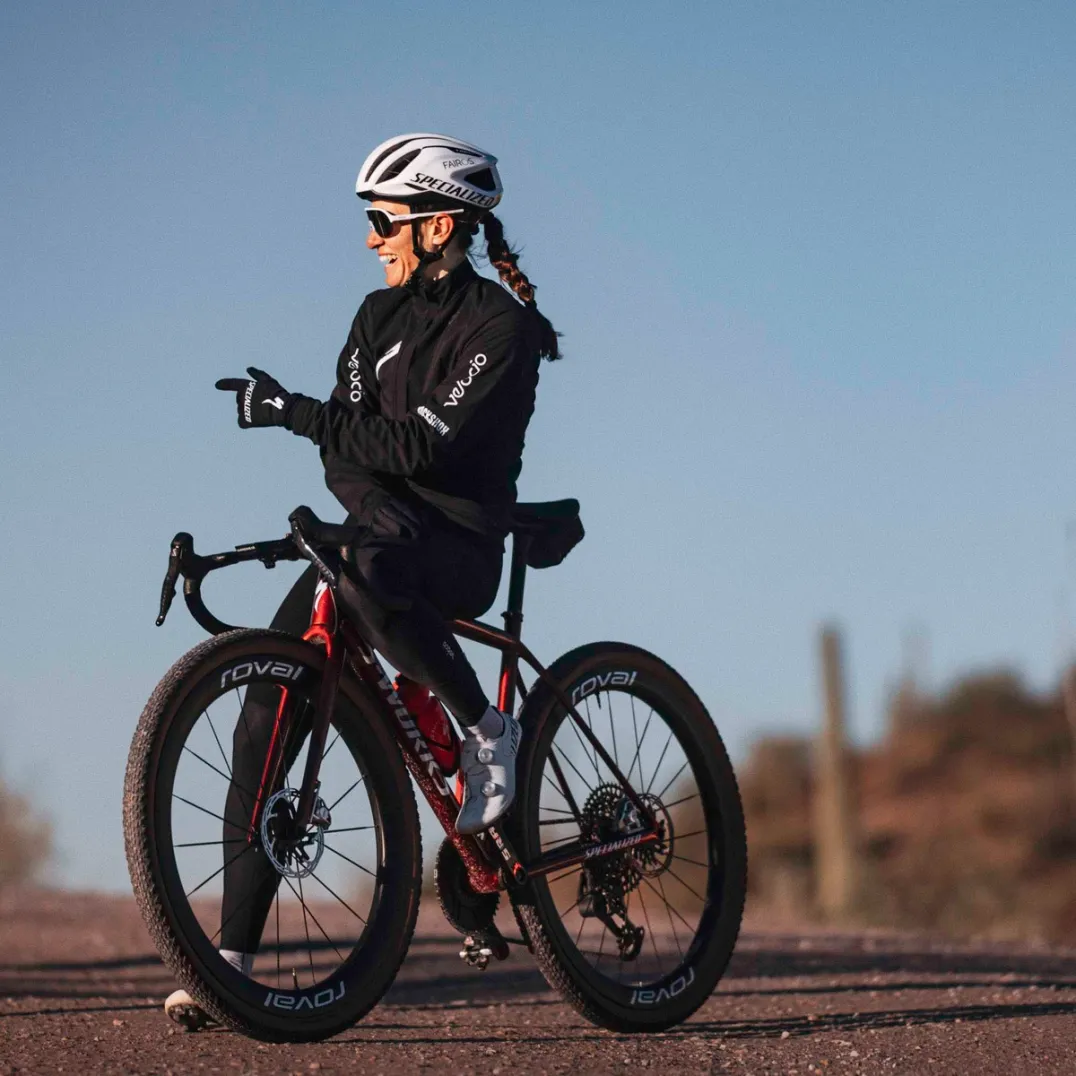
Gomez Villafañe didn’t come into the sport as a sure thing. Her early years as a pro were marked by middling results in the cross-country World Cup.
“I got a big wake-up call — definitely not good enough,” she says.
What followed wasn’t a straight line so much as an accumulation — of work, timing, and opportunity.
“I stumbled my way into being where I am today. I had the right amount of talent and work ethic… right place, right time, right people, right connections.”
“I’m really good at riding my bike fast,” she adds. “And I’ve been fortunate enough to take this career path and be really successful.”
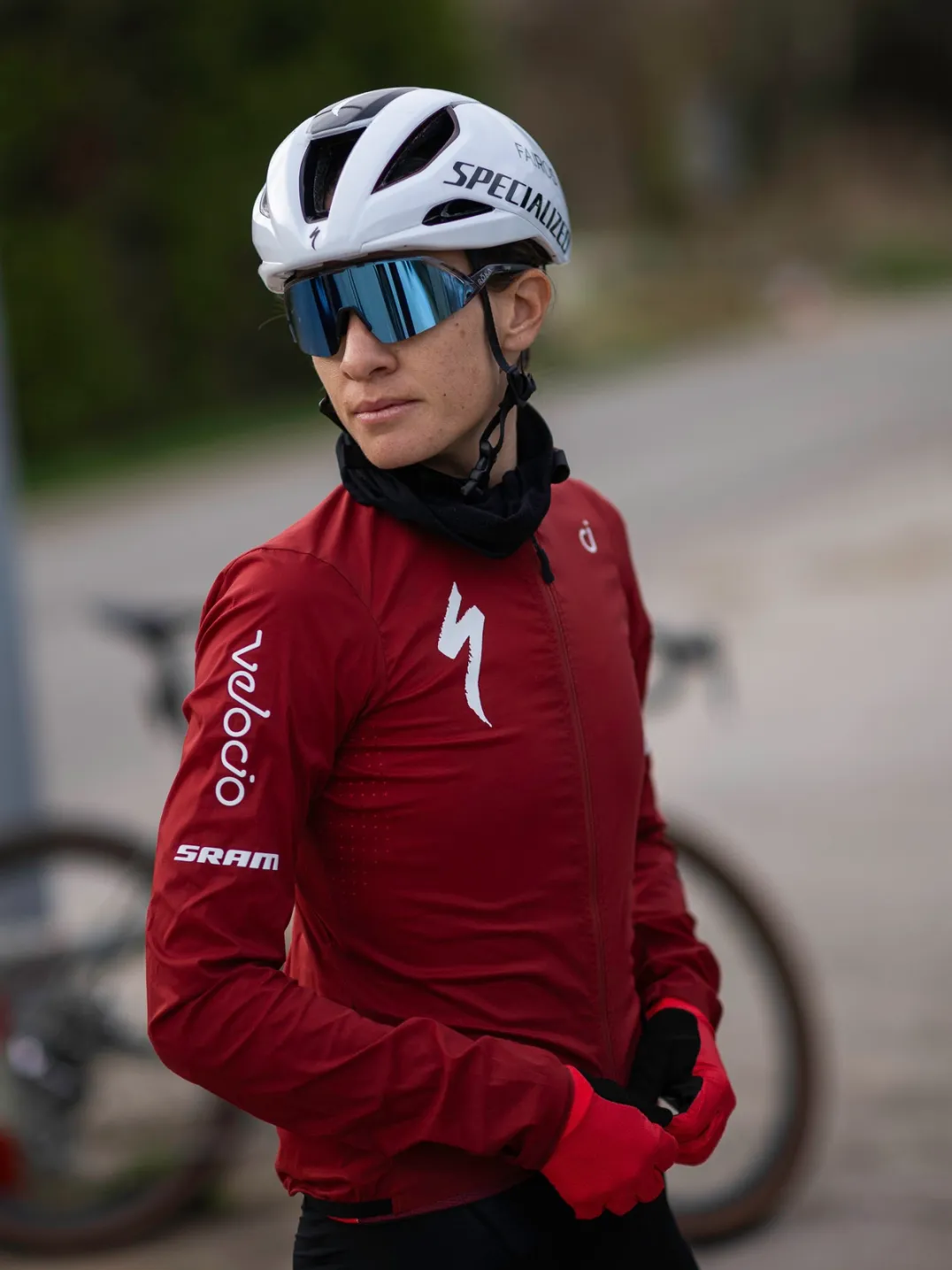
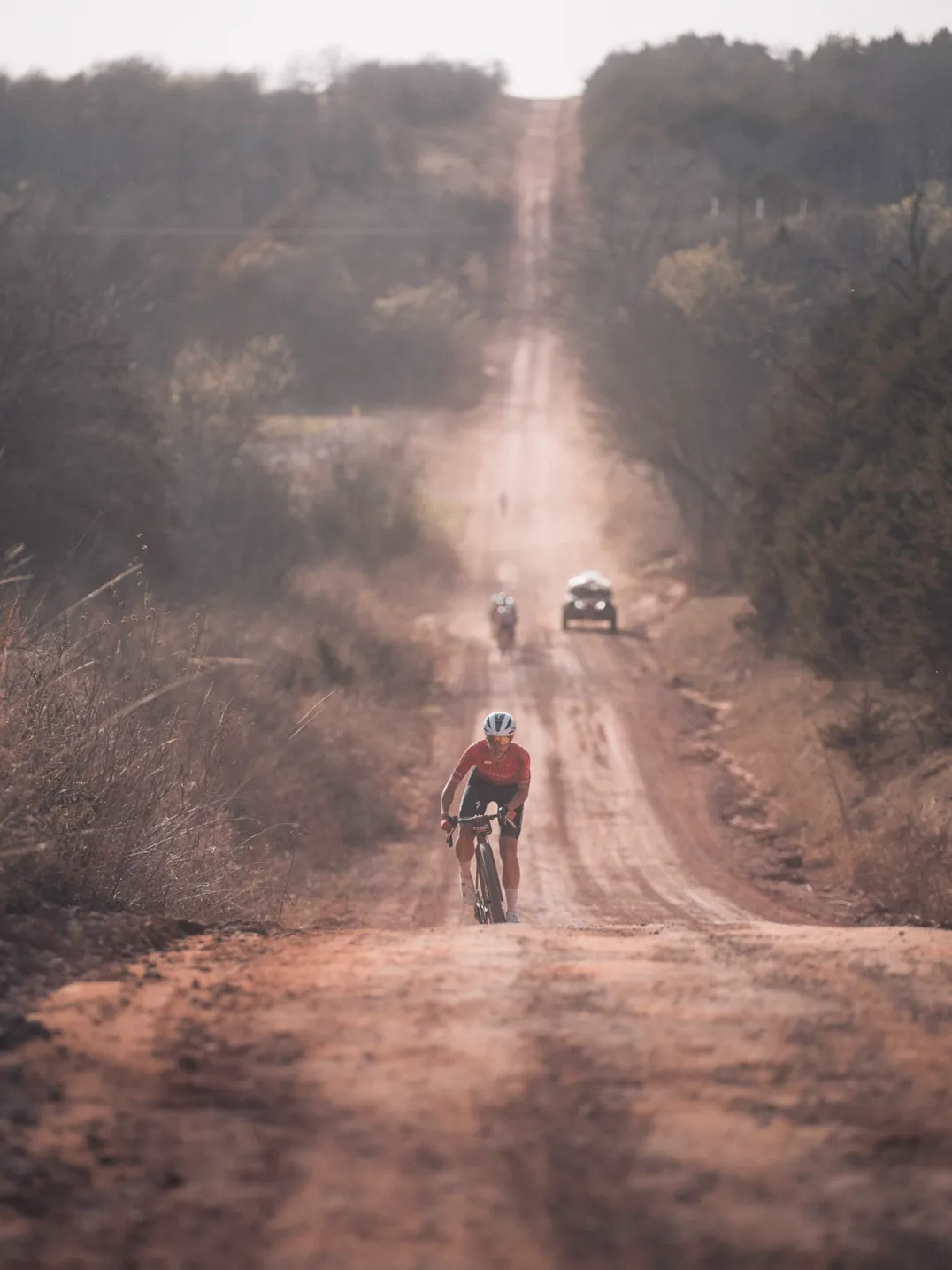
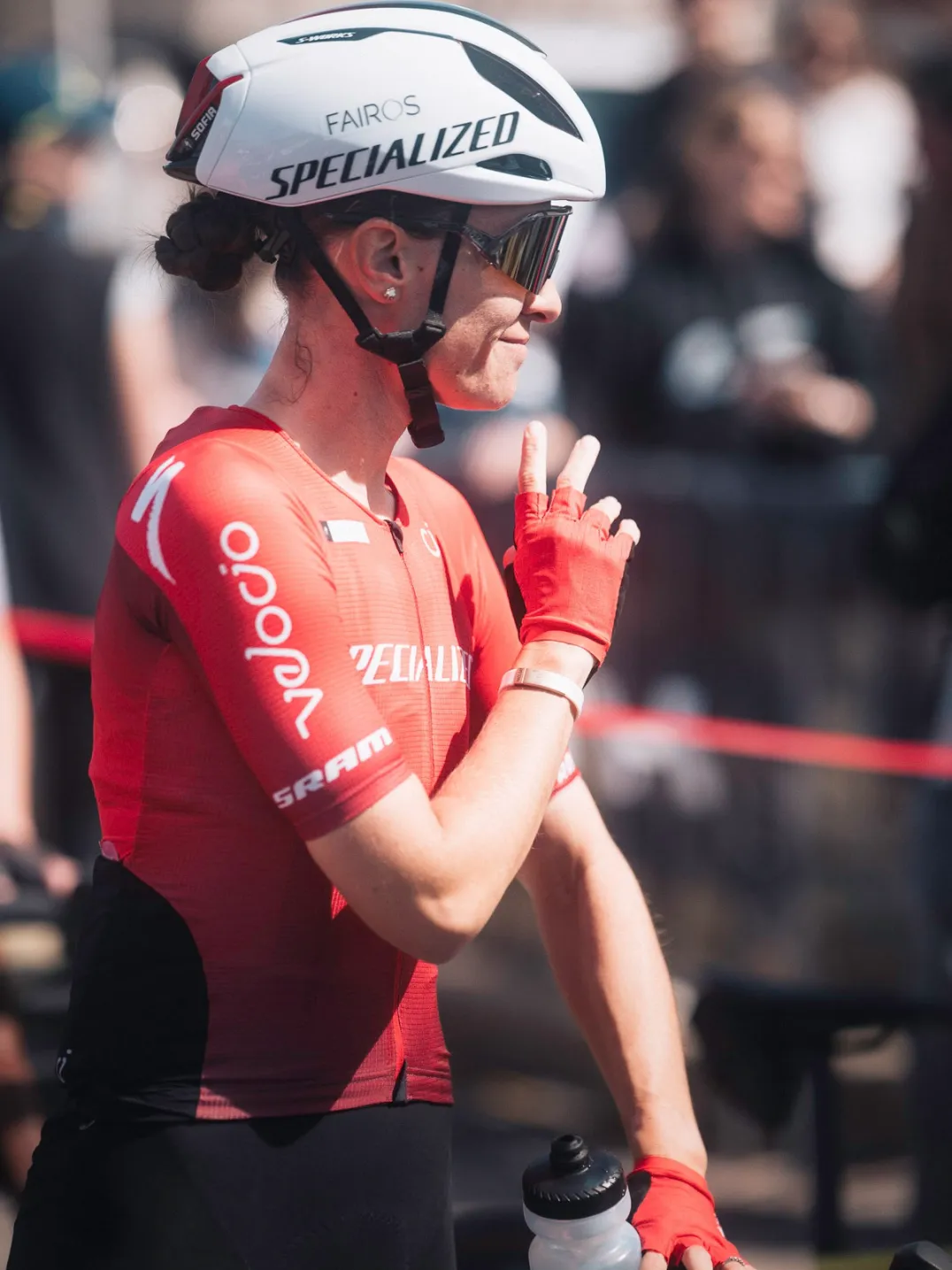
She talks about racing the way she approaches it: directly. In addition to her raw talent, this is perhaps Gomez Villafañe’s secret sauce — knowing exactly what her job is, and executing it. It’s also part of what, from the outside, gets misconstrued.
“I’m confident,” she says. “People read that as intimidating.”
In a sport that still values approachability — where access is part of the culture, and personality is part of the product — that kind of directness can land uncomfortably. If you ask Gomez Villafañe a question, she’ll answer it. She just won’t soften it.
“People call it brutal honesty,” she says. “And what I’ve learned is most people will sugarcoat things or not say what they really feel. So when you don’t do that, people struggle with your answer.”
That gap — between intention and interpretation — is where the last few seasons have taken a toll.


Some of it traces back to Life Time’s Call of a Lifetime docuseries, where Gomez Villafañe was cast in an antagonistic role. That version of her stuck, and then it compounded.
“I definitely cracked pretty hard last fall,” she says. “Between Gravel Worlds and Chequamegon, I realized I was listening to too many podcasts about the racing I was doing and hearing people talk about me in a way that didn’t feel true to me — making assumptions about who I am, how I race, why I do what I do.”
It wasn’t any single comment. It was the accumulation — the steady drip of takes, clips, narratives. Even with the clarity and focus she brings to her work, it stung.
“I do care what people think,” she says. “I’m not going to pretend I don’t. Not having a good public image the last few years — it hurt.”
So she started pulling back. Not from what she believes, but from how much of it she’s willing to put out into the world. She’s quieter now — a little more contained, in the bunch and around it. At races, it shows up in small ways: time on the rollers before the start, earbuds in, fewer conversations in the margins.
“If I need to have earphones in so no one sticks a microphone in my face, that’s what I need to do,” she says. “I know how to not put myself in the situations I don’t want to be in and protect my space a bit more.”
She calls it “living under a rock.” In practice, it means fewer inputs: no podcasts about the races she’s in and less time on social media. Her mornings start with Wordle and a couple New York Times games, not with Instagram.
“I realized that if I don’t know what people are saying about me, the better it is for me,” she says. “You just don’t know. You don’t know that people hate you or are talking bad about you.”
"I do care what people think,” she says. “I’m not going to pretend I don’t. Not having a good public image the last few years — it hurt."
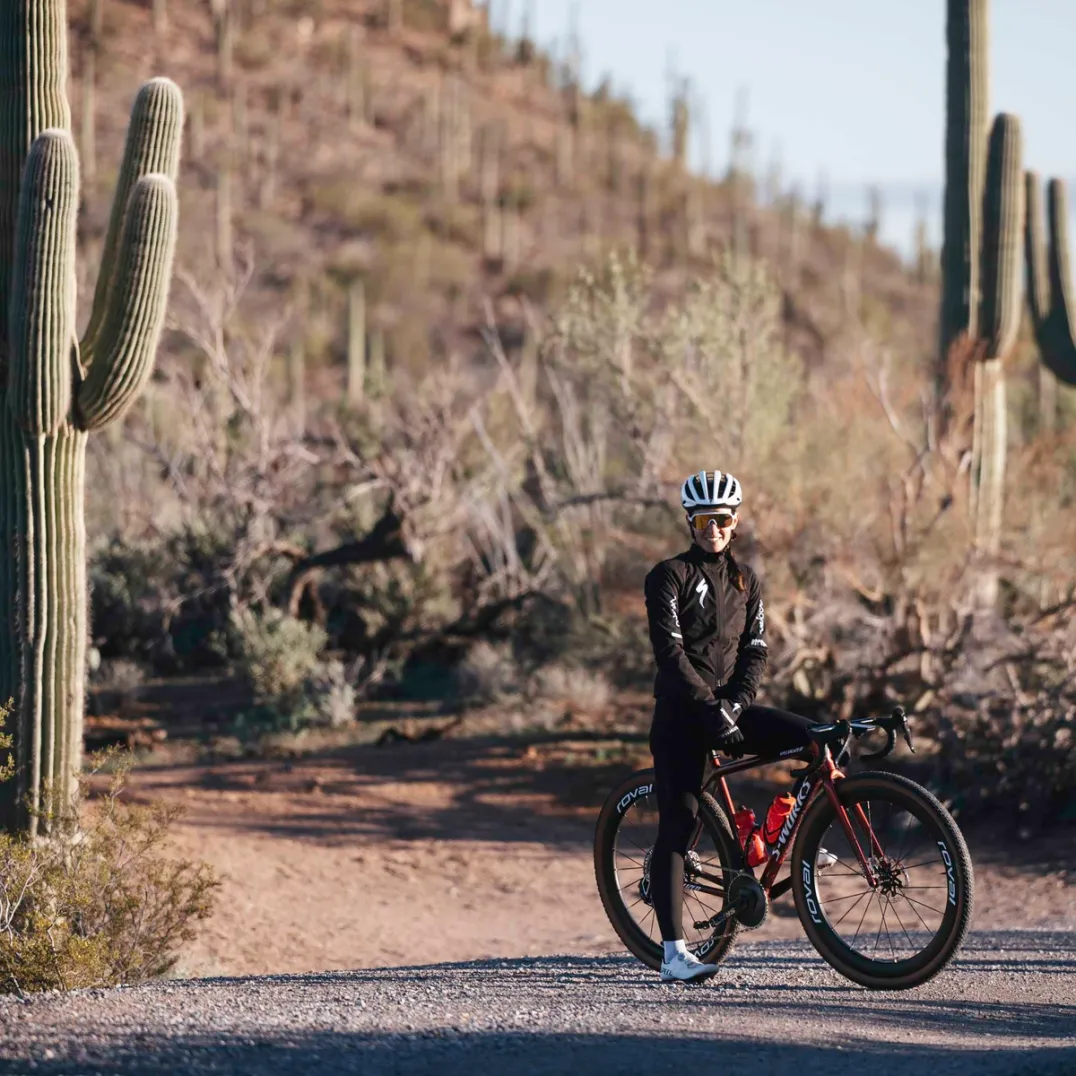
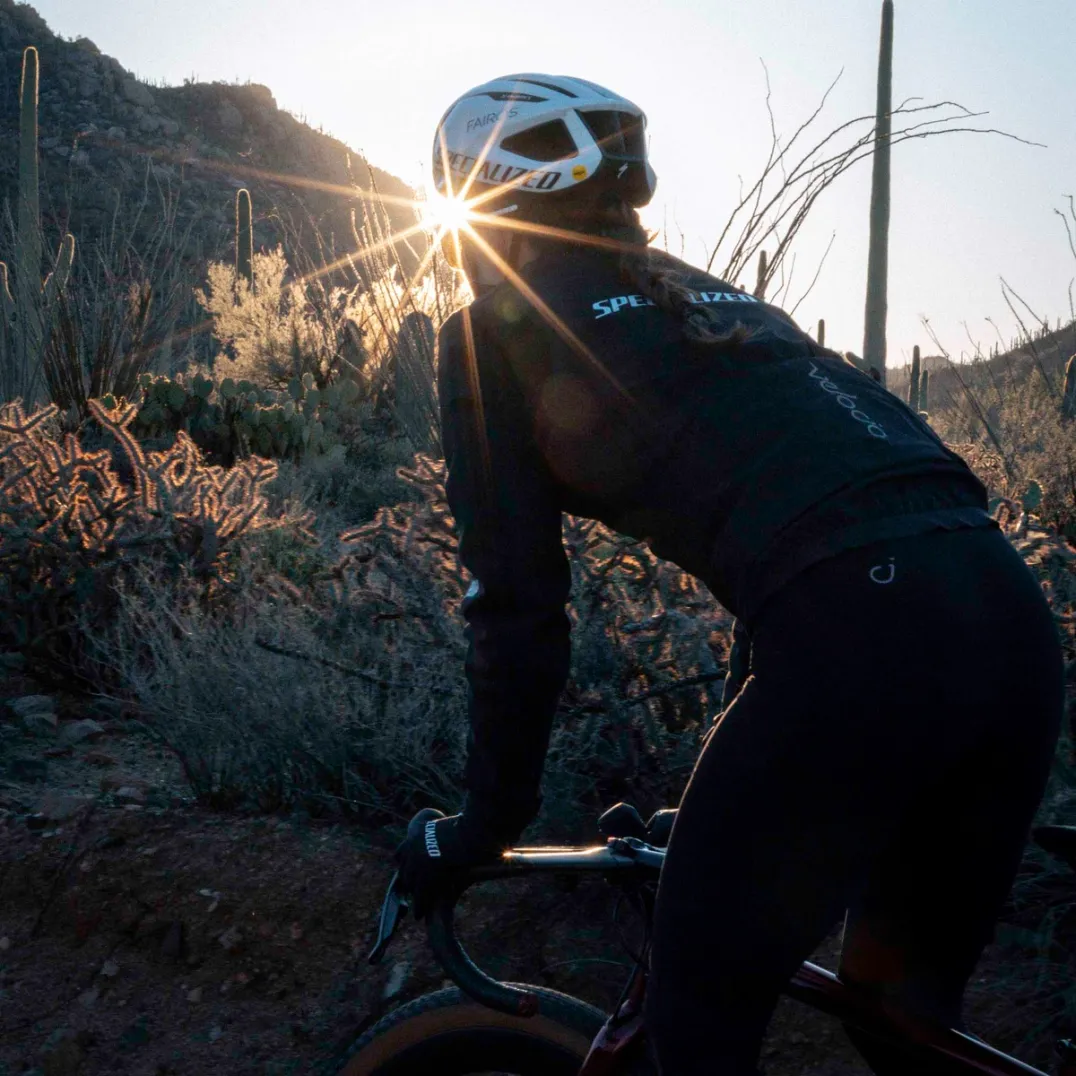
None of it has changed how she races. If anything, it’s clarified what matters. Gomez Villafañe’s current contract runs through 2027. Beyond that, she’s not sure what comes next — and that uncertainty has sharpened her focus.
“The biggest fire in me right now is knowing I don’t have that many years left at this level,” she says. “So it’s about going all in. Getting the most out of myself that I can.”
That shift is starting to show up in her goals. She has fewer boxes to check and is putting more intention behind which ones she does. So far, it’s working well — she’s won three new-to-her races, all before April. But the tension remains — between dominance and expectation, between how she sees herself and how she’s seen. At this point, it’s less something to solve than something to manage.
“I can’t change people’s minds through media projects or interviews,” she says. “That’s not how it works.”
For now, it’s about doing the job on her terms, and letting the rest fall where it will.
CONCEPT
Shop Race-Ready Apparel


